
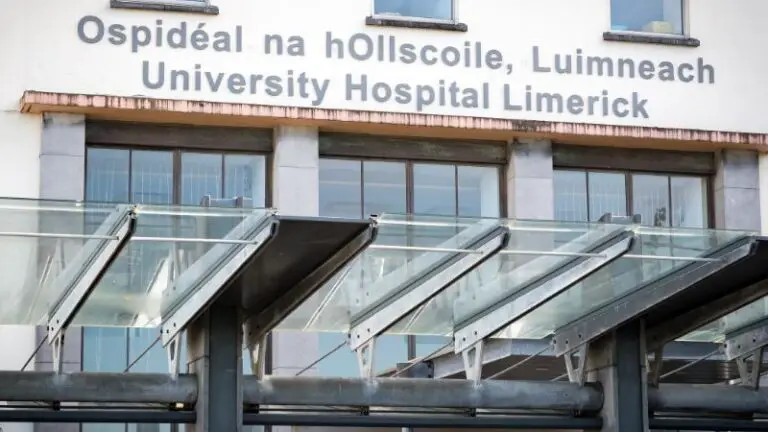
ONE of the highest daily attendances has been recorded at University Hospital Limerick’s emergency department.
366 patients presented to the ED on Monday (October 12th) with UHL experiencing exceptionally high demand according to management.
Last year, UHL recorded 95,373 Emergency Department attendances, the highest number nationally, with an average of 262 attendances per day. Monday’s attendance was approximately 40% above that daily average.
UHL continues to experience the highest level of ED demand nationally, with attendances increasing by 5,943 and ED admissions increasing by 2,235 year to date.
Hospital management have confirmed that surge capacity is open and teams are implementing a range of measures to manage demand, improve patient flow and reduce waiting times. These include transferring patients from trolleys to inpatient wards as beds become available; additional medical ward rounds to expedite discharges and identify patients suitable for transfer to Ennis, Nenagh and St John’s hospitals; working closely with community services to support timely discharges; and reviewing elective activity to ensure that the most urgent and time-critical cases are prioritised.
Given the current pressure on services, members of the public are encouraged to consider the most appropriate care option for their needs before attending the Emergency Department.
A spokesperson for HSE Mid-West outlined, “We recognise that demand is high across health services and that accessing alternative services may also be challenging. However, we encourage members of the public whose conditions are not urgent and can safely wait to make use of all available alternative care options, including GP and GP Out-of-Hours services, Injury Units and community pharmacy, where appropriate. This will help ensure that our Emergency Department can prioritise patients who need urgent and emergency care”.
Injury Units at Ennis, Nenagh and St John’s hospitals are open daily from 8am to 8pm and provide walk-in assessment and treatment for a range of injuries that do not require admission to hospital. These include suspected broken bones, dislocations, sprains, minor burns and wounds. The typical patient experience time is approximately two hours.
Anyone experiencing a life-threatening emergency should call 112 or 999. The Emergency Department remains the right place for patients with serious or life-threatening conditions.
“HSE Mid-West acknowledges that exceptionally high demand can result in longer waits for patients and their families and thanks them for their patience and understanding. We also recognise and appreciate the continued commitment and professionalism of staff across our hospitals and community services, who continue to work tirelessly to provide safe, timely and compassionate care to everyone who needs it,” the spokesperson added.