
World Hand Hygiene Day’s importance will rarely outmatch 2020 as health professionals advise against the use of disposable gloves when performing tasks such as shopping during COVID-19.
“Most years when Hand Hygiene Day comes around we have to ask ourselves how do find a fresh way to talk to people about the importance of hand hygiene in preventing infection. This year, because of COVID-19, it is all very different. Preventing infection with COVID-19 is now on everyone’s mind, Professor Martin Cormican, HSE National Lead for Antibiotic Resistance and Infection Control admitted.
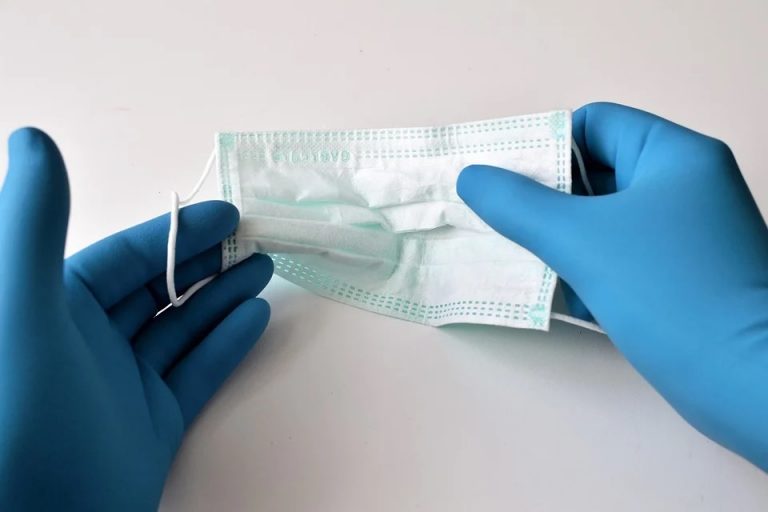
Use of hand gloves when shopping is not recommended by the HSE, Cormican reiterated. “We have all noticed that since the COVID-19 pandemic started a lot of people are now using disposable gloves in everyday life. So, one of our key messages this year for hand hygiene day is that hand hygiene is vital but we do not recommend using gloves while doing your shopping or when you are out and about. If there are bugs on your gloves those bugs often end up on your hands when you take the gloves off and they can very easily end up in your mouth, nose and eyes. It’s much better to clean your hands regularly and properly. Even in special settings like hospitals where gloves are valuable there is still a need to perform hand hygiene when the gloves come off. In hospitals gloves are single use for single patient care tasks.”
He added, “Hand hygiene is one of the most important things that we can do to stop the spread of COVID-19 infection, as well as preventing all the other infections that are still out there. This is true for people who work as healthcare workers and also for everyone in the home or in the workplace. Recent research undertaken by the Department of Health shows that in relation to safe behaviours, 96% of people are washing their hands more often as a result of COVID-19. The research also shows that 90% of people who are looking ahead say that they will continue to wash their hands frequently after the pandemic is over. We want people to keep on going with their hand hygiene, help your children to learn good hand hygiene and help us to stop the spread of COVID-19 and other infections.”
You can help protect yourself and your family from an infection or superbug:
Wash your hands properly and often:
• After coughing or sneezing
• Before and after eating
• Before and after preparing food
• Before and after touching an open sore or cut
• After using the toilet
• After changing a child’s nappy
• If you were in contact with someone who has a fever or respiratory symptoms (cough, shortness of breath, difficulty breathing)
• Before and after being on public transport
• Before and after being in a crowd (especially an indoor crowd)
• On entering and before leaving buildings, including your home or anyone else’s home
• After touching animals or animal waste
• After removing gloves if you wear gloves
• Before and after visiting someone in a hospital or residential setting
Regular use of a hand moisturiser will protect your hands from the drying effects of hand hygiene products. If you have dry skin or a skin condition, apply moisturiser after washing and drying your hands.
Have a look at the video on proper hand washing. We often think we have washed our hands properly but have a look at this short experiment and you will be surprised.
Be wary of the technology – Computers, phones and mobiles are a constant in lives, we can’t work without them. But how clean are they? Research has shown that PCs, keyboards, phones are full of bacteria – a mouse has an average of 260 bacteria per centimetre squared, a keyboard has 511 and the mouthpiece of a telephone has an impressive 3,895! Make sure you clean your tech equipment even if you are working from home during the COVID19 pandemic.
The toilet is fine – but watch out for the handles, taps and air hand dryers. The real danger is not the toilet but the handles and taps. Don’t touch the toilet seat with your hands if it’s visibly dirty. Our skin acts as a protective barrier when we use the toilet – it is the largest organ in the human body. Drying your hands with paper towel will reduce the bacterial count by 45 – 60% on your hands. However, using a hand dryer will increase the bacteria on your hands by up to 255% because it blows out bacteria already living in the, conveniently, warm moist environment.