Talks held in Feakle attended by leading Protestant clergymen and high ranking IRA members led to a two week ceasefire in December 1974.
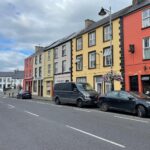
On December 10th, 1974, in the dark of night and with great risk attached to it, several cars containing clergymen, IRA leaders and Sinn Fein representatives crossed the border on route to their final destination, Smyth’s Village Hotel of Feakle, County Clare. Hundreds of men South of the border took up arms for the cause. But Clare remained neutral ground throughout. Until that night. A safe haven and the progenitor of peace.
Unbeknownst to the Irish government, Rev Arthur McArthur of the United Reform Church and Dr. Henry Morton of the British Council of Churches touched down in Shannon Airport. All under cover of darkness. All protestant clergymen. All making their way to proposed peace talks in the small town of Feakle County Clare.
Big figures from the IRA divvied their way south, many of them a price on their head. Daithi Ó Conaill was one. Accompanying him were Seamus Toomey, JB O’ Hagan and Kevin Mallon all wanted men after their infamous escape from Mountjoy Prison by helicopter. The risk looked miniature alongside the reward. These men had seen it all and enough was enough. Political figureheads were in abundance, such was the urgency of the issue.
A previous meeting up North took place leading up to the Feakle talks. The Army Council arrived in force, each bolstering their own weapons. There was an air of sincerity about the place. The talks began early morning and continued with an unfeigned openness throughout the day. The IRA were stalwart individuals, laden with an unfaltering faith in the Irish free state. They wanted a pluralism, separating church and state. They pushed this agenda to the Protestant clergymen. The meeting then adjourned for lunch.
Several hours later and things took a turn for the worst. Gardai had gotten word of the secret talk in Feakle and subsequently deployed all of the armed units at their disposal. Sixty members of the special branch and one hundred and twenty members of the force. IRA leaders quickly dispersed into the East Clare countryside, seconds away from a lifetime of internment.
Just like that, the utopian Feakle Talks had come to an end. The result of the talks was a ceasefire commenced by the IRA on 22 December 1974, lasting all of two weeks. A further ceasefire was reinstated a fortnight later lasting until 22 September 1975.