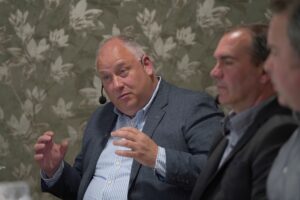
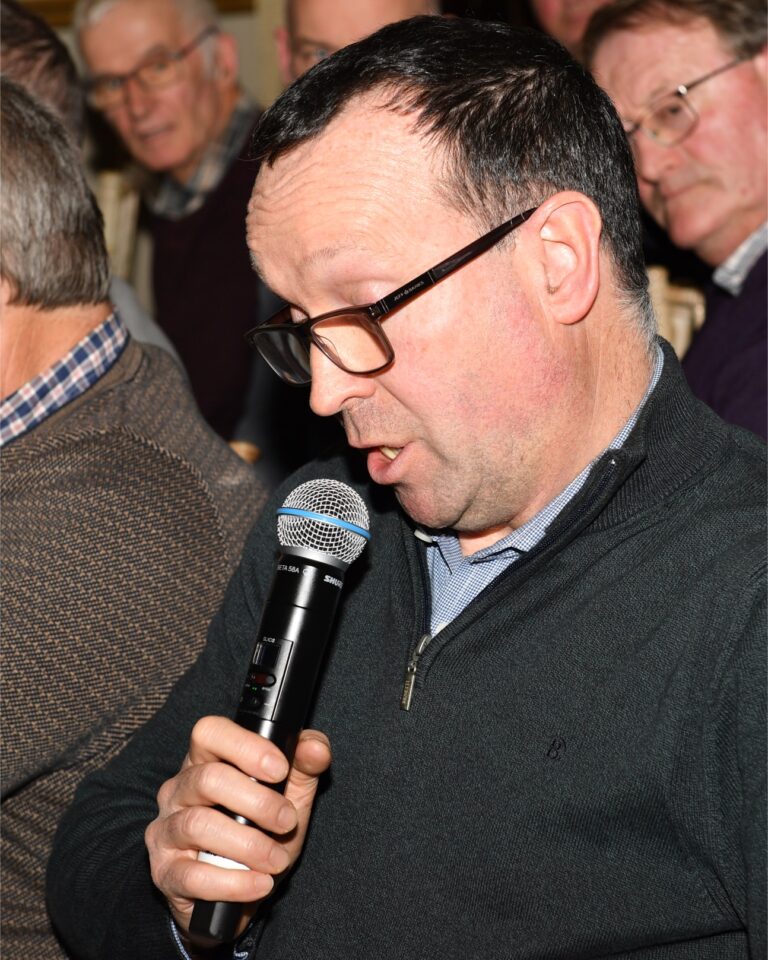

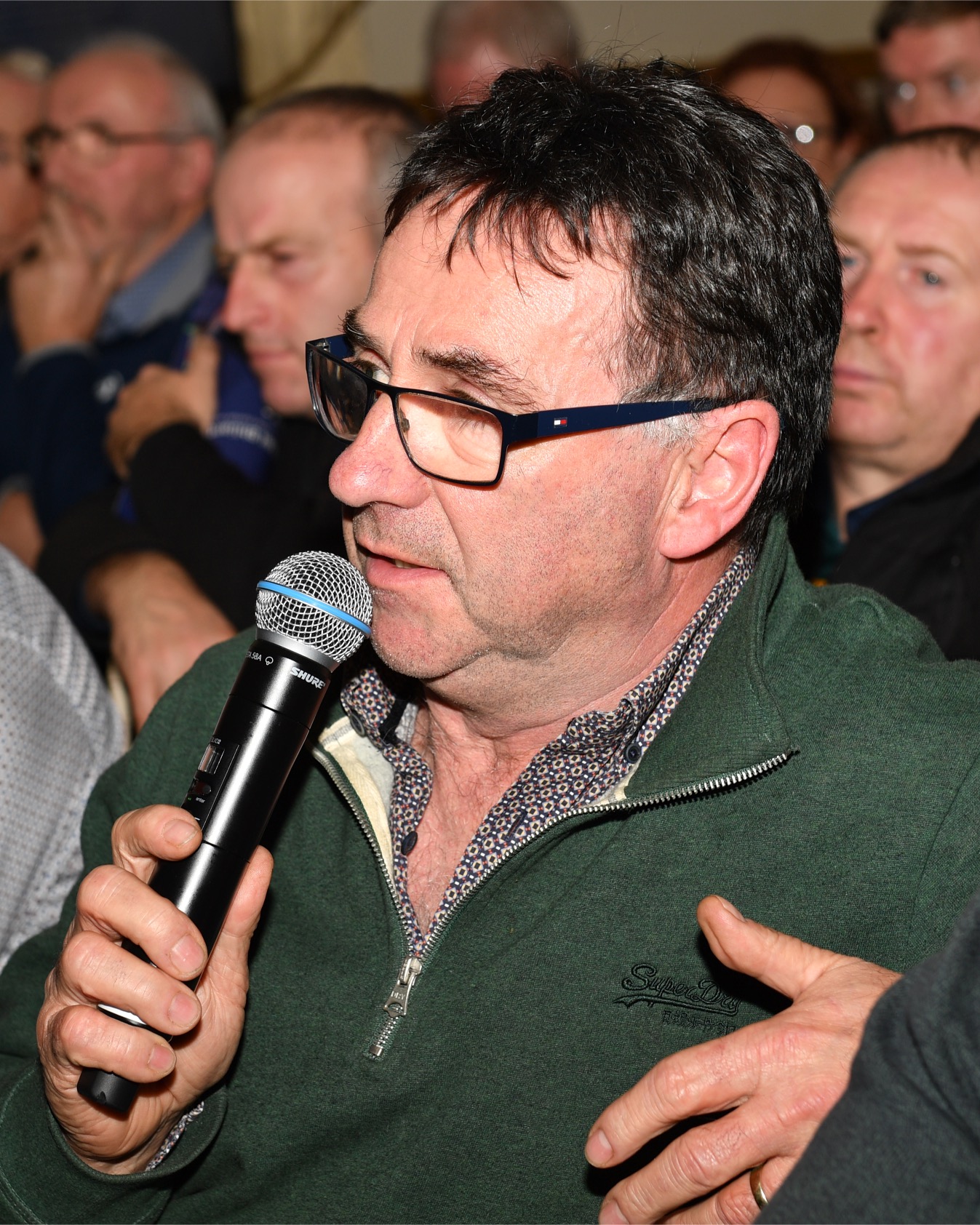
*Liam O’Reilly was among those to oppose the motion. Photograph: Gerard O’Neill.
FOR THE second year in a row a motion seeking to amend the county bye-law dealing with the regrading of players failed to win the support of delegates.
Its return to the agenda was equated to the Lisbon Treaty by Liam O’Reilly referencing attempts to keep voting on an item until it is eventually passed.
Delegates warned that it was a case of putting small clubs versus big clubs, the outcome of the vote suggesting the smaller clubs prevailed.
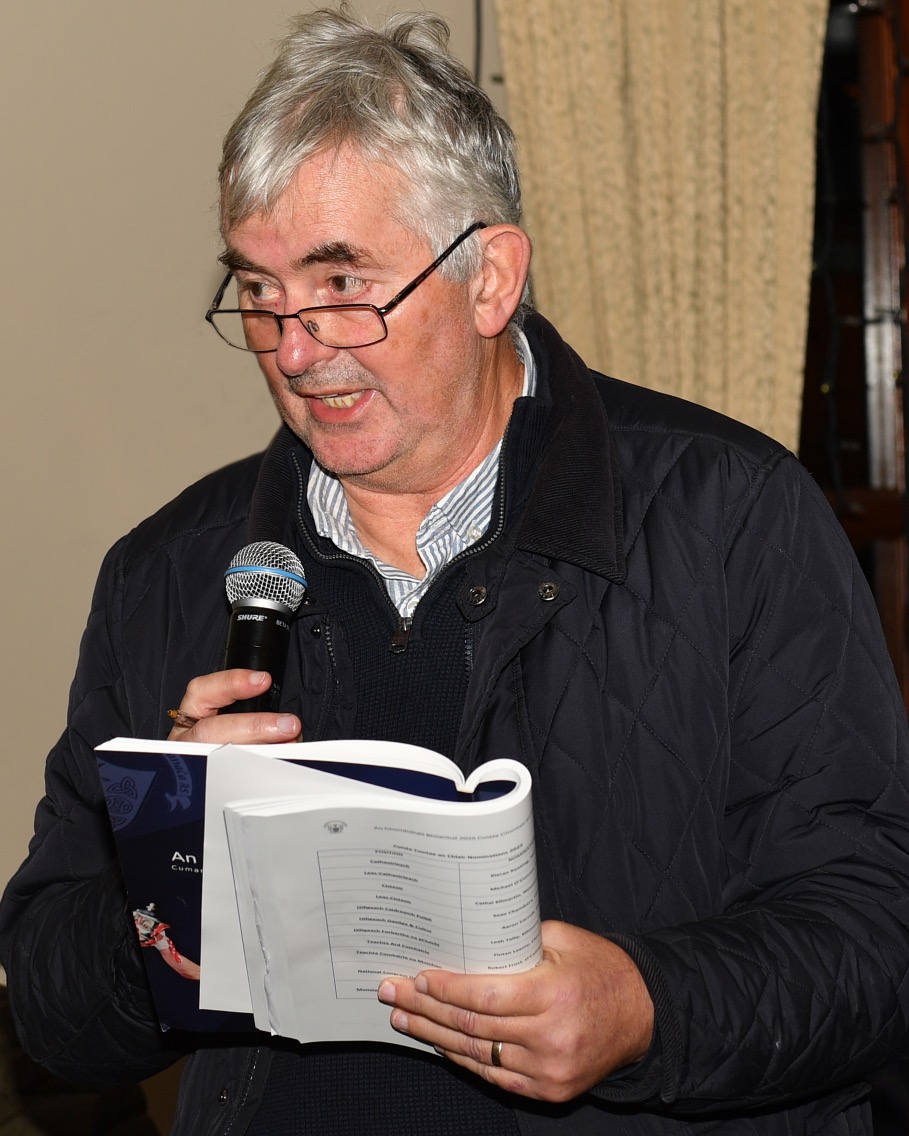
Proposing the motion, Anthony O’Halloran of St Joseph’s Doora/Barefield asked that “clubs with a junior team who have a higher grade team name 18 players that will constitute their number one team. The 18 players named must have played on their number one team the previous year. Clubs with a junior team who have two higher grade teams will name 18 players at each grade that will constitute their number one and two teams in the club if they have two teams above the junior grade”.
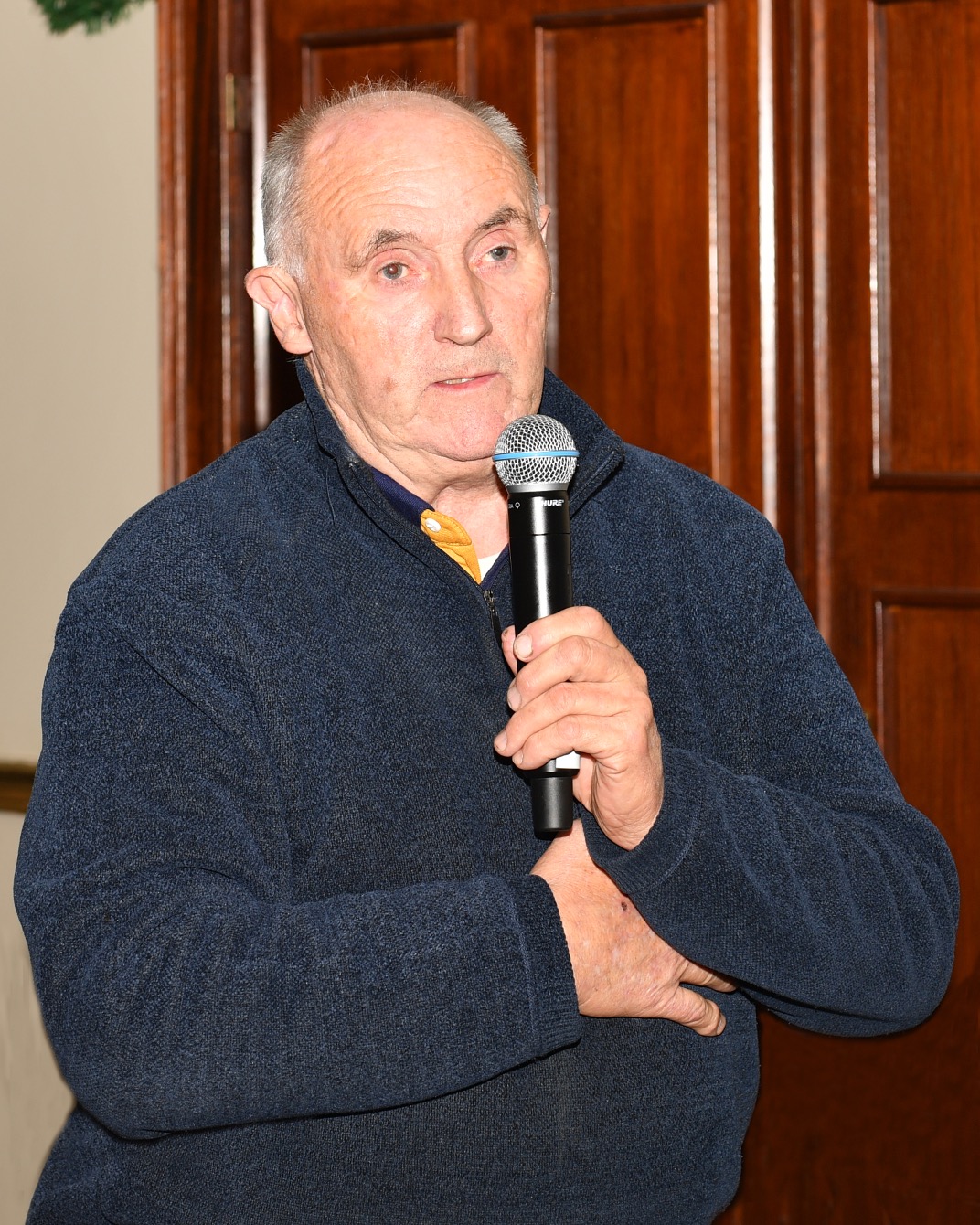
Sixmilebridge chairman Syl O’Connor supported the proposal stating that they put this proposal forward last year. “This has nothing to do with the big club or the small club. Is there any club that never had a problem with regrading players. This is about players, it is not about clubs. Its giving the players the opportunity to play the game whether it be hurling or football. Give this an opportunity and let’s see what it does”, he said.
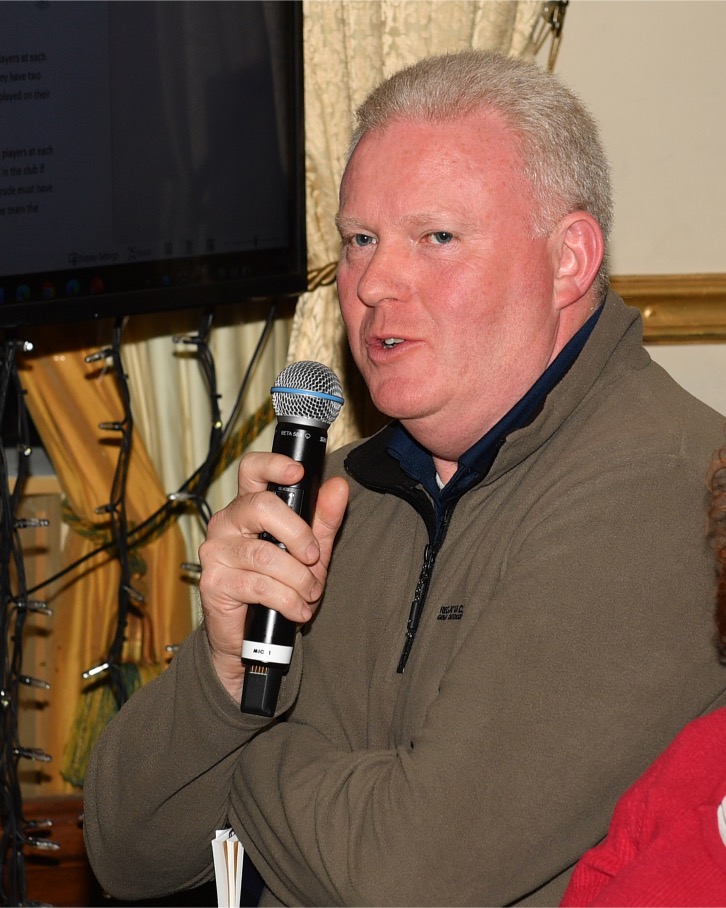
Stating that “reporters in the room might want to take note”, Newmarket-on-Fergus chairman Freddy McInerney said “Newmarket wholly agree with Sixmilebridge”, making reference to their famed rivalry. “Players want to play and in Newmarket-on-Fergus we were caught more down the grades last year and we agree with this proposal We want to get as many players as possible playing”.
Corofin delegate, Fergal Neylon stated, “We are all for getting as many people as possible playing games but I don’t see where this motion will bring that about”.
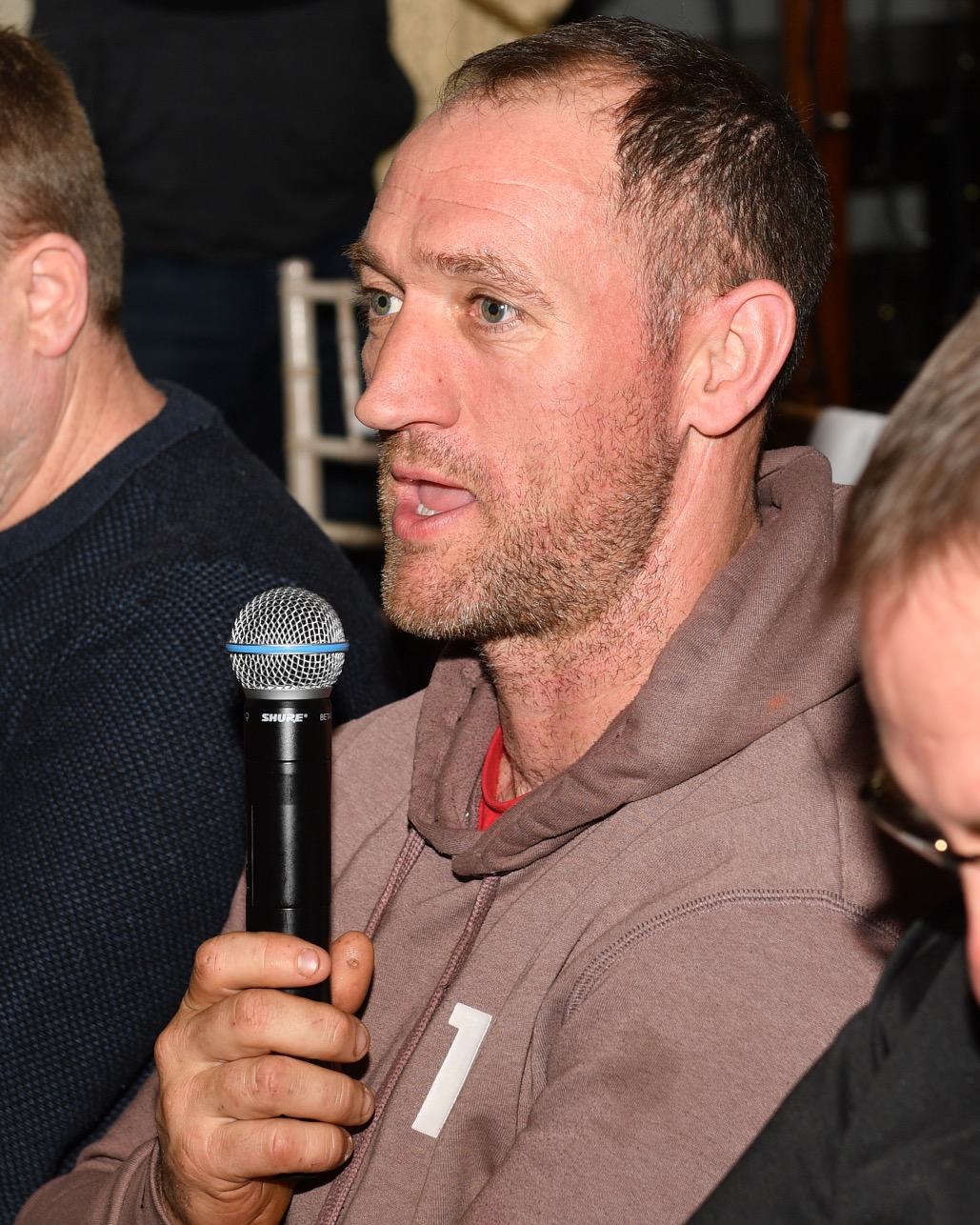
Banner delegate Liam O’Reilly voiced his opposition to the motion and likened its return to the agenda to that of the Lisbon Treaty which was rejected by the Irish electorate in a referendum in June 2008 and then approved following concessions in October 2009.
O’Reilly stated, “We actually welcome a change to the current rule to increase the number allowed from five to six or seven. We should have a structural review before we make one sweeping change. There are clubs here tonight who, if this motion goes through, will be able to regrade up to fifteen players upwards. That is too dramatic a jump. The feedback from some of the counties that have adopted this approach is that it is not working. What is the process. This such a big issue, the club that is proposing the motion only regraded four in football and four in hurling. Why didn’t they regrade five as allowed”.
“It is a big club versus small club issue”, commented Ennistymon hurling delegate Kieran Harvey. ”It completely undermines the integrity of the lower grade competitions. I don’t see where the 18 players comes from. It should be 20, a full squad of a team of fifteen plus five subs”.
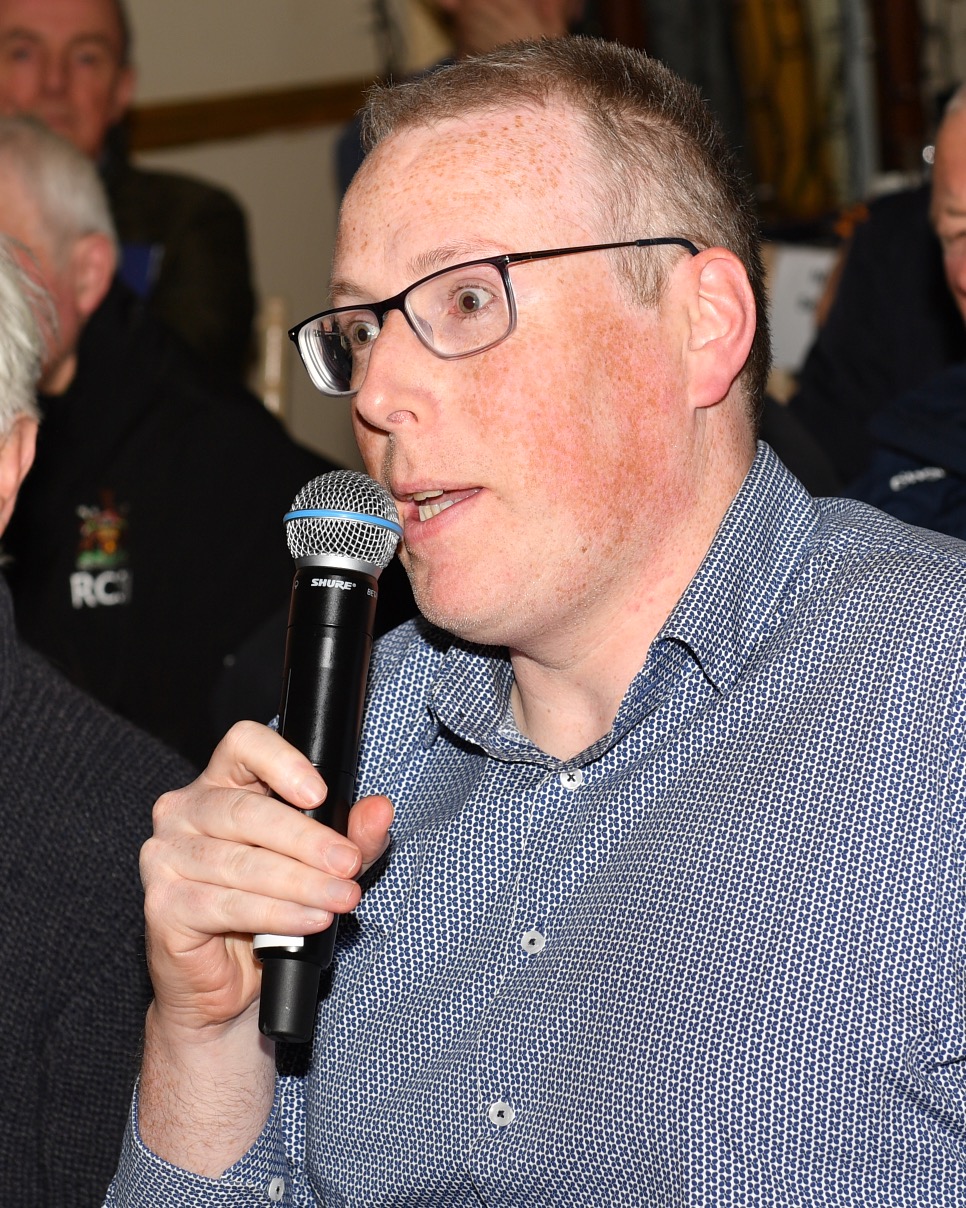
Patrick Ahern from Smith O’Briens also opposed the motion. Clooney/Quin delegate John Skehan said “it is not a strong versus weak issue. We had seven players who were ineligible to play last year unless the played senior. They weren’t good enough for senior as younger players had made the grade. It this is passed we will have an extra team next year”.
Kilmaley’s John Cahill supported the proposal saying that they had opposed it last year as they felt 20 was too much.
Chairman of O’Callaghans Mills, Robbie Madden opposed the motion and said it would suit the big clubs for it to pass.
Replying on behalf of St. Josephs Dan O’Connor told delegates “every panel will be scrutinised by the CCC. We did a survey and one of the counties that operate this is Tipperary. They have it in place for a long number of years and they are very happy with it”.
On a show of hands the proposal was lost on a vote of 58 to 48. It needed a 60% support to pass.